Bergbos
Bergbos
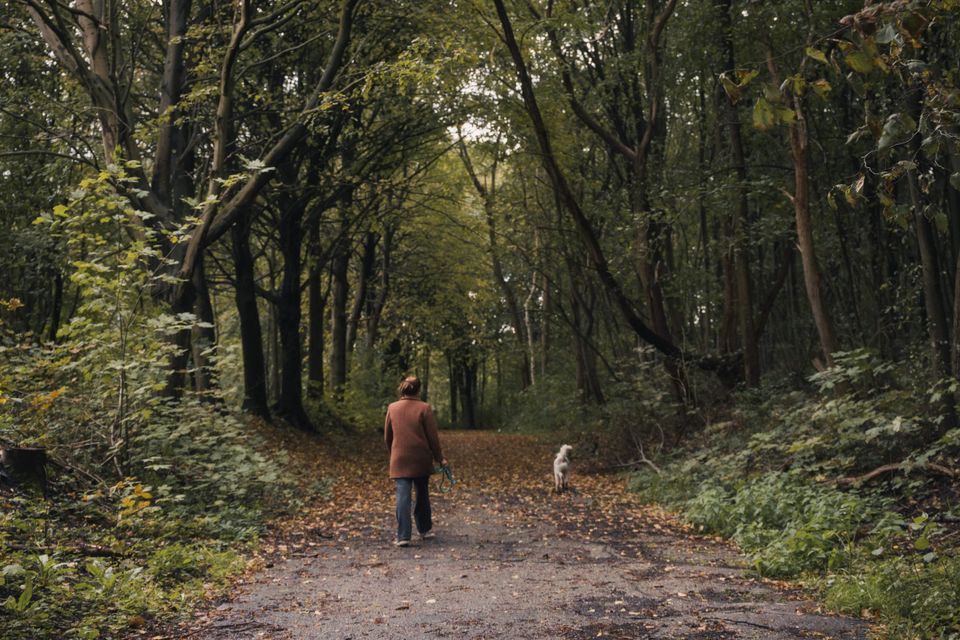

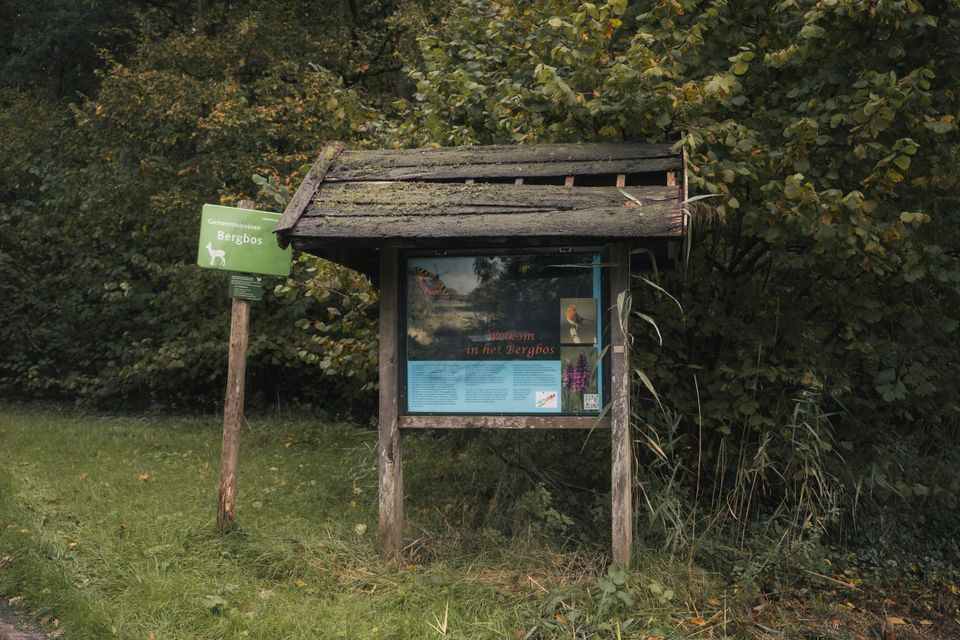
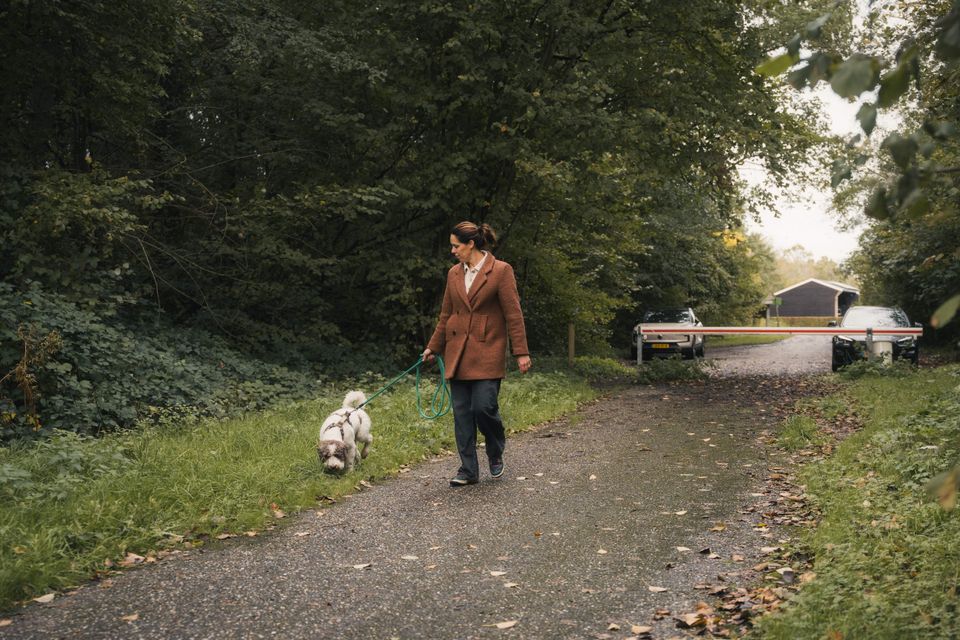
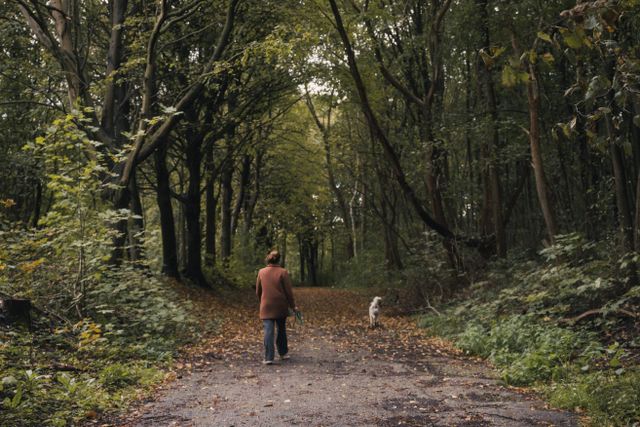
In the early years of Lelystad, the site where the Bergbos now stands was used as a tip, mainly for construction waste. This heap of waste was covered with soil and planted with trees, allowing nature to take its course and develop into a beautiful and varied natural area. With elevation differences of several tens of metres, this unique 12-hectare stretch of woodland in Flevoland – situated within Lelystad’s organic farming area on Bronsweg – has emerged in a relatively short space of time.
This woodland, situated atop a heap of building rubble consisting of stones and concrete, is a fine example of…
In the early years of Lelystad, the site where the Bergbos now stands was used as a tip, mainly for construction waste. This heap of waste was covered with soil and planted with trees, allowing nature to take its course and develop into a beautiful and varied natural area. With elevation differences of several tens of metres, this unique 12-hectare stretch of woodland in Flevoland – situated within Lelystad’s organic farming area on Bronsweg – has emerged in a relatively short space of time.
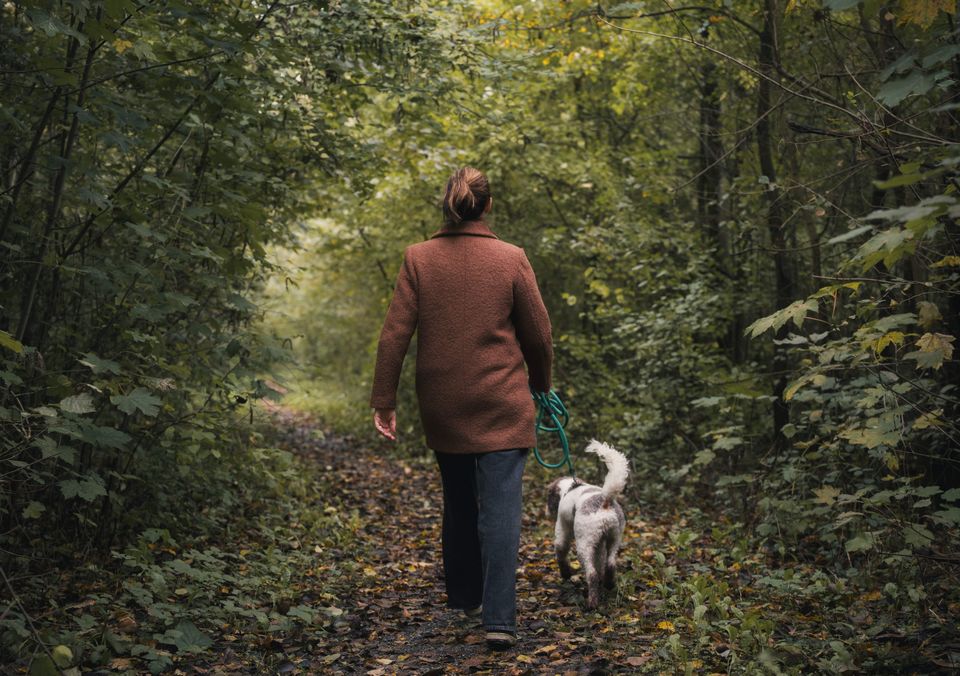
This woodland, situated atop a heap of building rubble consisting of stones and concrete, certainly lives up to its name. A diverse range of flora and fauna can be found around and on this ‘mountain’. Here, the varied terrain ensures a rich diversity of natural habitats. Part of the Bergbos has now even been designated as a nature reserve. This gives nature here the chance to develop in its own way. The Bergbos is one of the council’s woodland areas and is open to walkers, horse riders, mountain bikers and nature lovers.
This small wooded area was once Lelystad’s first construction waste tip. Many of the city’s chicken coops and sheds were built at the time using materials collected here. When the tip was full, the site was converted into woodland and nature reserve. The waste was covered with a layer of soil, and you can see the result for yourself in the Bergbos! It is the highest woodland in both Lelystad and Flevoland. From the top, you have a lovely view over the organically farmed fields of the Tuin van Lelystad.
The Bergbos is different in every season. In winter, the stillness of nature, the silhouettes of bare trees (including willows and poplars from the Bergbos’s early days, as well as oaks and ash trees) and shrubs (such as dogwood, rowan, hawthorn and wild cherry) reveal their secrets during this season. These include lichens on the bark of branches and trunks, and abandoned nests. High up in the trees lies the large nest of a magpie; a few metres above the ground, the somewhat untidy nest of the blackbird. Winter visitors such as fieldfares and redwings visit the Bergbos to feast on the fruit.
In spring, the Bergbos is lush and fresh green, with birds singing their hearts out! Titmice make use of the nesting boxes hung throughout the Bergbos. Toads, green frogs and smooth newts lay their eggs in the pools. In June, you can admire the beautiful (protected) purple marsh orchid.
In summer, the greenery is all a bit more mature. Now dragonflies and damselflies are also active above the pools. The spring bloom is followed by fruits and seeds, but wild summer flowers are still blooming in abundance along the footpaths. Young birds have grown into adults, a roe deer drinks from one of the pools, and on the slopes, the delicate fronds of ferns can be seen.
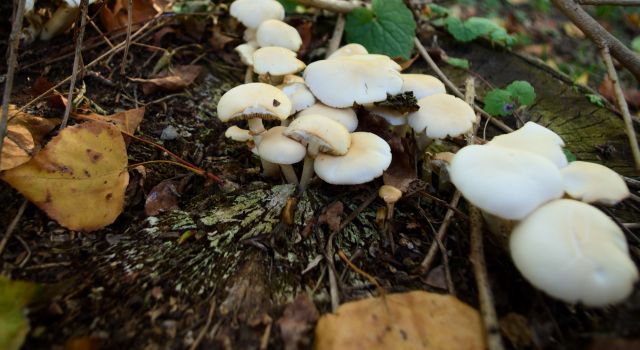
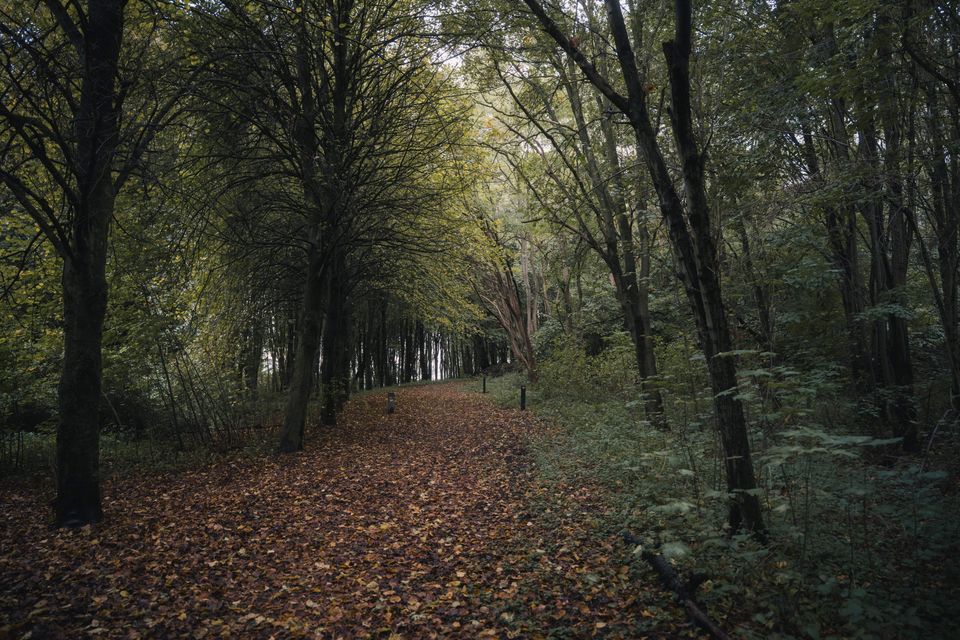
Experiencing autumn in the Bergbos is a special treat, especially on such a quiet, slightly misty autumn day. There’s an abundance of fruit and birds, the damp scents of decaying leaves, and mushrooms – including some very special ones……
Collecting prunings in one place creates piles of branches. You’ll see them scattered throughout the Bergbos. Birds such as robins and blackbirds nest in these piles, whilst hedgehogs find shelter there to hibernate. But small mammals such as mice also make use of these piles of prunings. In this way, prunings are given a new lease of life, offering more nature for the same money!